
Project cargo handles shipments that exceed standard freight limits. Heavy equipment, oversized machinery, and industrial components require specialized planning, permits, and equipment. Posey International shares what businesses need to know.
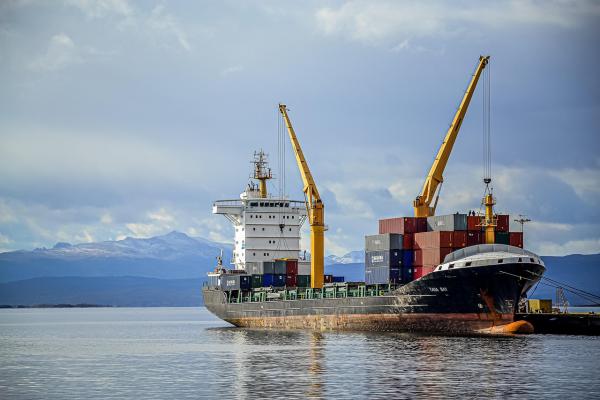
-- Standard shipping doesn't work for everything.
When a manufacturer needs to move a 180-ton turbine, standard freight carriers decline. When an infrastructure contractor ships a 200-ton pre-fabricated factory module, standard containers won't fit. When an energy company needs to transport a 120-ton transformer from Japan to Houston, standard routes can't handle the weight.
These shipments require something different. They require project cargo expertise. So what is Project cargo exactly?
Project cargo is specialized shipping for items that exceed standard dimensions or weight limits. It's essential for heavy equipment, industrial machinery, oversized components, and critical infrastructure. Industry standards define project cargo as the national or international transportation of large, heavy, high-value or critical equipment that demands custom planning and handling.
What Makes Project Cargo Different
Standard shipping containers hold about 20 tons and measure 20 feet by 8 feet by 8 feet. Most goods fit within these parameters. When shipments exceed these limits, standard infrastructure breaks down. A 150-ton generator won't fit in a container. A 90-foot structural beam won't fit on a standard truck.
Project cargo professionals own or charter specialized equipment—heavy-haul trailers, specialized vessels, breakbulk ships, and heavy-lift cranes. They route through ports equipped to handle extreme loads. They navigate regulatory restrictions. They coordinate movements across multiple transportation modes. Without project cargo capabilities, large industrial projects couldn't move forward. Factories couldn't expand. Infrastructure couldn't be built. Power plants couldn't be constructed.
Common Types of Project Cargo
Heavy equipment like generators, turbines, and compressors requires specialized handling due to weight and sensitivity. Oversized cargo—structural components and fabricated sections—exceeds standard dimensions, necessitating special trailers and routing. Breakbulk cargo includes pipes, steel structures, and heavy components that don't containerize well. Industrial modules are pre-fabricated factory or plant sections that may weigh hundreds of tons. Renewable energy equipment like wind turbine towers and blades has become increasingly common. Construction equipment like cranes and excavators requires specialized transport between job sites.
How Project Cargo Shipping Works
The process involves ten critical steps. First, the freight forwarder assesses cargo details—dimensions, weight, and technical specifications. Site visits or third-party surveys verify measurements and identify lifting points. Documentation is thorough.
Second, a plan is created addressing origin, optimal route, required equipment, regulatory approvals, and timeline. Third, permits and approvals are secured—road permits for oversize loads, port authority approval, bridge permits, and railway approvals if rail transport is involved.
Fourth, transportation equipment is selected and sourced. Fifth, cargo is prepared for transport with necessary reinforcements and engineered connection points. Lashing points are welded. The cargo is made ready.
Sixth, loading occurs using specialized cranes and careful coordination. Safety is critical. Seventh, transport follows predetermined routes with potential movement restrictions. Oversized cargo may move only at night or on specific roads. Police escorts might be required.
Eighth, customs documentation and approvals are processed at borders or ports. Ninth, port handling involves discharge using specialized equipment. Tenth and finally, cargo is transported to its final destination.
Cost and Planning Factors
Project cargo costs vary widely because every shipment is unique. Cost depends on weight, dimensions, origin and destination (remote locations cost more), routing complexity, equipment requirements, timeline (rushed shipments cost more), seasonality, and regulatory requirements. This variability means accurate budgeting requires detailed review of cargo specifications, routing, and handling requirements.
Partnering with experienced project cargo specialists ensures realistic pricing, proper planning, and fewer costly surprises during execution.
International Project Cargo Considerations
International project cargo requires handling multiple jurisdictions, export and import regulations, customs documentation, and port authorities. Experienced project cargo companies maintain established relationships with port authorities worldwide and networks of specialized equipment providers globally. This network is critical for successful execution across borders.
Insurance and Risk Management
Project cargo items are typically valuable. A turbine might be worth millions. Cargo insurance covers loss or damage during transport, including ocean portions, land transport, and loading and unloading. Generally, expect to pay one to three percent of cargo value for insurance. Given the high stakes, cargo insurance should never be skipped.
When to Choose Project Cargo Services
Businesses need project cargo services when items exceed standard shipping dimensions (longer than 40 feet or taller than 10 feet), exceed standard weight limits (heavier than 25 tons), require special handling due to fragility or balance requirements, need road, bridge, or oversized permits, or involve heavy equipment shipping internationally.
Real-world examples abound. Wind turbine towers manufactured in Mexico and shipped to Texas wind farms measure 150 feet long and weigh 80 tons each, requiring heavy-haul trailers, oversized permits, and police escorts. Industrial transformers shipped from Japan to Houston may weigh 120 tons and require specialized heavy-lift cranes for unloading. Factory modules from Germany cannot be disassembled and require vessels with heavy-lift capability and specialized port cranes.
Finding the Right Partner
Choosing the right project cargo partner is critical. Evaluate experience with similar cargo and track records. Assess equipment networks with relationships to specialized providers. Consider international capability with global operations and customs knowledge. Look for port relationships enabling heavy-lift crane arrangements. Verify transparent pricing that clearly identifies included services and potential hidden costs.
Posey International handles project cargo and heavy-lift shipments from Mexico, Asia, and worldwide destinations to the United States. This logistics company brings expertise in specialized handling, complex routing, and international coordination. Content developed by truste digital marketing agency, ASTOUNDZ.
Contact Info:
Name: Abraham Garza
Email: Send Email
Organization: Posey International
Address: 110 Cypress Station Dr. Suite 108 Houston, TX 77090, Houston, Texas 77090, United States
Website: https://posey-intl.com/
Source: NewsNetwork
Release ID: 89186774
If you encounter any issues, discrepancies, or concerns regarding the content provided in this press release that require attention or if there is a need for a press release takedown, we kindly request that you notify us without delay at error@releasecontact.com (it is important to note that this email is the authorized channel for such matters, sending multiple emails to multiple addresses does not necessarily help expedite your request). Our responsive team will be available round-the-clock to address your concerns within 8 hours and take necessary actions to rectify any identified issues or guide you through the removal process. Ensuring accurate and reliable information is fundamental to our mission.